Established 2021 Online and in-person sessions

Build confident clay skills with a structured course that teaches technique and creativity

relatrakvo teaches clay modeling and pottery fundamentals through guided practice, clear demonstrations, and project-based learning. Lessons are designed for beginners and intermediate students who want reliable progress—without guesswork.

Friendly pacing, methodical feedback, and practical studio habits—built for real practice time.
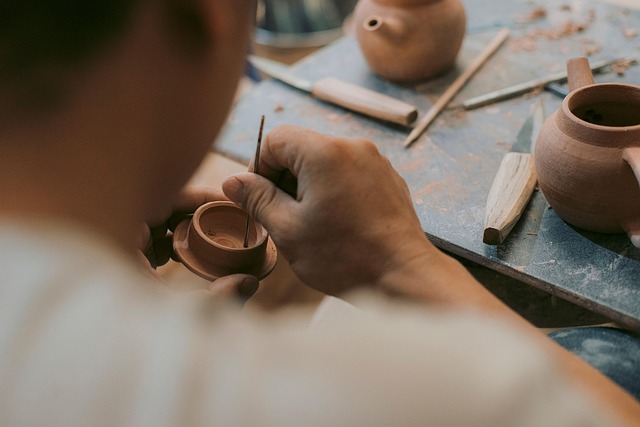
pottery workshop hands clay
Studio-level feedback, explained simply
Get notes on form, thickness, joins, and surface finish—so each piece improves with intent.
Skill building
Technique first
Creative output
Project guided
Format
Online lessons
Clear demos and structured practice prompts.
Studio
In-person workshops
Hands-on coaching and tool handling.
Materials
Clay fundamentals
Moisture, plasticity, and drying control.
Outcome
Finished pieces
Projects you can keep, gift, or refine.

What we teach and how learning is structured

Clay rewards a steady, repeatable process. relatrakvo lessons are organised around technique, not trends: how to prepare clay, control water content, build armatures when needed, and make joins that survive drying and firing. Each module introduces a small set of skills, then asks students to use them in a project. That combination is unglamorous but effective—practice becomes measurable instead of random.

Students learn handbuilding methods such as pinch, coil, and slab construction; basic sculpting approaches for proportion and gesture; and surface work like smoothing, carving, and simple texture strategies. Pottery fundamentals include wall thickness control, rim finishing, safe drying, and common causes of cracking and warping. For those attending in person, there is guided tool handling, workspace setup, and studio hygiene so practice time stays safe and consistent.

Feedback focuses on specific signals: compression lines, weak joins, uneven thickness, and shrinkage risk areas. The goal is not speed; it is reliability. Over time, students develop an eye for form and a process they can repeat at home or in a shared studio.

Course features that support real progress

Each part of the programme is designed around repeatable studio habits: clear demonstrations, deliberate practice, and feedback that points to the exact fix.

Technique tracks, not random tutorials

Lessons are sequenced so each week builds on the last: clay prep, form building, joins, drying control, and surface finish. Students learn why a piece fails and how to prevent it next time.

  • Pinch, coil, and slab handbuilding fundamentals
  • Sculpting basics: proportion, silhouette, and simple armature logic
  • Surface work: smoothing, carving, and controlled texture

Feedback that names the fix

Notes focus on thickness, compression, join strength, and drying strategy—so adjustments are practical.

Project briefs with creative constraints

Assignments use a small set of constraints to guide decisions, which helps ideas become finished pieces.

Practice plan you can repeat at home

A simple routine makes progress visible: wedging, test forms, join drills, and surface passes. Students learn to keep clay workable and prevent common drying defects.

Studio habits and safe workflows

Tool handling, workspace setup, and cleanup routines that keep practice steady and safe.

How it works

A clear sequence keeps the learning practical. Students move from basic material control to finished projects, with feedback at the points that matter most.

  1. 01

    Register and choose a learning format

    Start with the student registration form. You can note whether you prefer online learning, in-person sessions, or a mix. We use this to plan scheduling and class balance.

  2. 02

    Follow the technique modules

    Modules cover clay preparation, form building, join integrity, drying control, and surface finishing. Each topic includes a short practice drill that makes the technique stick.

  3. 03

    Complete guided projects

    Projects combine multiple skills: a functional form, a sculpted study, and a finishing task. Constraints keep decision-making focused, so pieces reach completion.

  4. 04

    Receive feedback and iterate

    Feedback highlights specific adjustments—wall thickness, compression, join scoring and slip use, and stress points during drying. Students repeat the next piece with that correction in mind.

Student work and real learning outcomes

A good course produces repeatable habits. Below are examples of how students tend to progress when practice is consistent.

Meet the teaching approach

Case study: cleaner joins in handbuilt forms

Beginner track

Problem: early pieces showed seam splitting and cracking during drying, especially around handles and slab corners.

Approach: a week of join drills: scoring pattern, slip consistency, compression passes, and timed drying under plastic to reduce stress.

Outcome: after three iterations, the student produced a small lidded container with stable seams and a smoother rim finish, and the same workflow carried over to later projects.

Case study: stronger sculpted form and proportion

Intermediate track

Problem: sculptures looked stiff and top-heavy, with unclear silhouette and uneven thickness that risked cracking.

Approach: a gesture-first block-in, then controlled hollowing and reassembly with planned seam placement and compression.

Outcome: the final piece had clearer proportions and fewer stress points, and the student adopted a simple checklist for thickness and balance before drying.

SK
Sofia K., Hobby ceramicist, Most
Student feedback
“The most helpful part was learning how to diagnose a crack before it happens. The join and drying notes were specific, and my pieces stopped splitting at the seams after a few iterations.”
MJ
Marek J., Design student, Louny District
Student feedback
“The practice plan made the difference. Instead of starting random pieces, I repeated a small drill and could see improvement in thickness control and rim finishing within a couple of sessions.”
AP
Anna P., Workshop attendee, Prague Region
Student feedback
“The instructor explained why my forms warped and how to slow drying properly. I left with a repeatable process and a finished piece that didn’t feel rushed.”

Register or ask a course question

Use this form to register interest or ask about the course schedule. We only ask for your name and email. A reply typically arrives within 1 business day. We do not sell your data.

Contact email

[email protected]

Studio address

Draguš 93, 439 42 Postoloprty, Czechia

Educational disclaimer

This website provides educational content and training services related to clay modeling and pottery. Results depend on individual practice and dedication.

By submitting, you agree to our Privacy Policy.

FAQ

Practical answers about pacing, materials, and how registration works.

What experience level is the course built for?

The programme is designed for beginners and intermediate students. Beginners start with material control and foundational handbuilding. Intermediate students focus on refining proportion, improving join reliability, and developing a repeatable project workflow.

Do I need a wheel?

No. The course focuses on clay modeling and handbuilding. Projects use pinch, coil, and slab construction, plus sculpting approaches. Wheel throwing is not required for the core modules.

What materials should I prepare?

A small set is enough: a clay body suitable for handbuilding, a basic tool set, a sponge, a trimming or fettling knife, and plastic for controlled drying. In-person sessions include guidance on tool handling and workspace setup.

How do I register as a student?

Use the registration form on this page or the dedicated student registration page. Provide your name and email, agree to the Privacy Policy, and send the request. We will reply with next steps and scheduling options.

How is my data used when I submit a form?

We use your name and email to respond to your registration request or question. We keep submissions for a limited time for administrative follow-up. You can read details in our Privacy Policy and manage cookie preferences in the footer.

Can I attend in person if I registered online?

Yes, when schedules allow. Registration helps us understand demand. If you want a mix, mention it in your message after we reply, and we will share available options.

Ready to learn with a clear plan and steady feedback?

Register your interest and we will reply with practical next steps for the programme and format options.

Disclaimer

This website provides educational content and training services related to clay modeling and pottery. Results depend on individual practice and dedication.