About relatrakvo

A clay modeling and pottery course built around technique sequencing, deliberate practice, and feedback that points to the exact adjustment.

Why we started

relatrakvo began in 2021 after seeing the same pattern in beginner studios: students could follow a single demo, but struggled to repeat the result a week later. The missing piece was not inspiration; it was a methodical progression that links clay behaviour to specific studio decisions.

We built the programme around a small set of repeatable checks—plasticity, wall thickness, join compression, and controlled drying—then paired those checks with projects that make the skills stick. Instead of chasing a new idea every session, students learn how to diagnose issues like seam splitting, warping, and uneven rims before they become permanent.

The same approach works online and in person: clear demonstrations, short drills, and feedback that references concrete details (score pattern, slip consistency, compression passes, and shrinkage risk). Progress becomes visible because the process is consistent.

Mission statement

Teach clay modeling and pottery with clear guidance, structured practice, and studio-level feedback, so students can build a reliable workflow and finish pieces with intent.

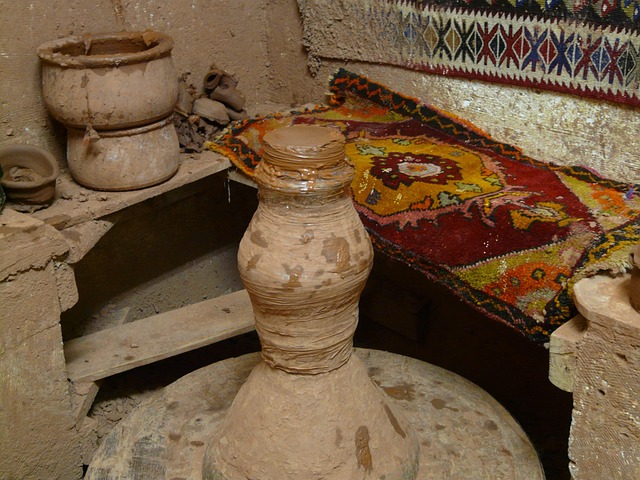
ceramic studio workshop pottery
Structured sequencing
Modules build in the order clay demands.
Specific feedback
Notes that name the fix, not the mood.

Educational disclaimer

This website provides educational content and training services related to clay modeling and pottery. Results depend on individual practice and dedication.

Meet the instructors

The team teaches the same foundation across formats: wedging and moisture control, join integrity, and a repeatable workflow from block-in to finish.

Elena R.

Lead Instructor, Clay Modeling (Studio Practice Certificate)

Elena has taught clay modeling for 9 years, focusing on proportion, silhouette control, and stable construction.

Her classes start with a quick “block-in” routine, then move to controlled hollowing and seam planning so sculptures dry with fewer surprises.

Students know her for clean join habits and a simple correction checklist that makes rework faster.

When a piece is stuck, she will usually ask one question first: where is the stress going as it dries?

Tomas K.

Pottery Fundamentals Instructor (Ceramics Workshop Diploma)

Tomas has worked in shared studios for 11 years and teaches the unglamorous skills that protect functional forms: thickness control, rim finishing, and drying discipline.

He is precise about compression passes, sponge use, and timing under plastic—small moves that reduce warping and rim cracks.

His specialty is helping students build repeatable handbuilding workflows for mugs, bowls, and lidded forms.

Expect practical tool advice and clear explanations of why a form fails.

Petra S.

Surface & Finishing Coach (Materials Handling Certificate)

Petra has spent 7 years teaching surface work that holds up to drying and handling: smoothing strategies, controlled texture, and carving that follows the form.

She breaks finishing into manageable passes—refine planes, unify edges, then add intentional marks—so students do not overwork wet clay.

Her sessions often include quick tests for slip consistency and a practical guide to repairing chips and seams before they become permanent.

Students appreciate her calm, granular critique of surfaces.

How we run lessons

Instruction is built around three repeating loops: demonstration, practice, and correction. Demonstrations are short and specific—how to wedge for even moisture, how to score with a reliable pattern, how to compress a seam, and how to slow drying without trapping water.

Practice is organised into small drills and a weekly project brief. Drills isolate one variable at a time: thickness targets, join strength, rim finishing, or surface smoothing. Projects then combine the skills so the workflow becomes natural. Students learn what “good enough to continue” looks like, which prevents endless reworking.

Feedback is given in studio terms. You will hear notes like “thin shoulder,” “over-saturated slip,” “compression line missing,” or “shrinkage risk at the corner.” Those details sound picky, but they are the difference between a piece that survives drying and one that fails at the last stage.

Studio location and contact

Address
Draguš 93, 439 42 Postoloprty, Czechia

Next step

If you want to join the next cohort, use the student registration form. It only asks for your name and email, and we reply with scheduling and format options.

Register your interest in the next course group

Send your name and email, and we will reply with the next available dates and format options. Typical response time is within 1 business day.

Prefer email?

You can contact us directly at [email protected].

We only use your details to respond to your request. You can find more information in our Privacy Policy.

Studio address

Draguš 93, 439 42 Postoloprty, Czechia